GaN chargers vs. traditional chargers: What's the difference and why does it matter?
GaN chargers and traditional chargers differ in several ways, including their size, speed, and efficiency. GaN chargers use gallium nitride (GaN) technology, which enables them to be smaller, lighter, and more efficient than traditional chargers.
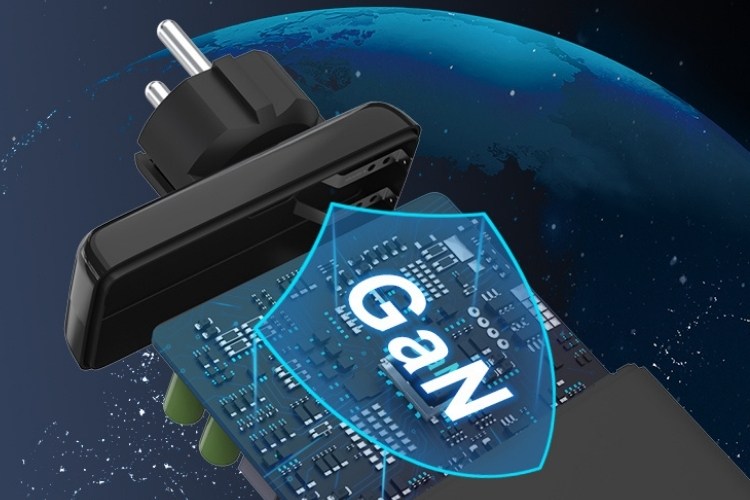
The key difference between the two types of chargers is the way they handle power. Traditional chargers use silicon-based semiconductors to regulate the flow of electricity, which limits their efficiency and makes them prone to overheating. In contrast, GaN chargers use GaN-based semiconductors, which are more efficient and generate less heat, allowing for faster charging times.
The benefits of GaN chargers are numerous. They are smaller and lighter than traditional chargers, making them more portable and convenient for travel. They also generate less heat, which prolongs the lifespan of your device's battery and reduces the risk of damage from overheating.
Moreover, GaN chargers have higher power density, which means they can provide more power in a smaller package. This makes them ideal for charging high-powered devices like laptops and gaming consoles, which typically require larger, bulkier chargers.
In summary, GaN chargers offer a significant improvement over traditional chargers in terms of size, speed, and efficiency. As more and more devices adopt GaN technology, the difference between GaN and traditional chargers will become increasingly important, as consumers seek out faster and more convenient ways to power their devices.